


Che cos'è una SBOM?
Digital Forensics e Incident Response (DFIR) Combina l'indagine sistematica degli attacchi informatici con misure proattive per mitigare e prevenire incidenti futuri, garantendo una gestione completa della sicurezza informatica.
Le Processo DFIR comprende fasi chiave, tra cui la raccolta dei dati, l'esame, l'analisi e la segnalazione nell'ambito dell'analisi forense digitale e la preparazione, il rilevamento, il contenimento, l'eradicazione, il recupero e la revisione post-incidente nella risposta agli incidenti.
Implementazione delle offerte DFIR Vantaggi significativi, ad esempio prevenendo il ripetersi di problemi di sicurezza, proteggendo e conservando le prove a fini legali, migliorando il ripristino delle minacce, garantendo la conformità normativa, mantenendo la fiducia dei clienti e riducendo le perdite finanziarie derivanti dalle violazioni.
Avanzato Strumenti DFIR, come Wiz, forniscono funzionalità essenziali per il rilevamento, l'analisi e la risposta agli incidenti di sicurezza offrendo visibilità unificata, monitoraggio in tempo reale e rilevamento automatizzato delle minacce negli ambienti cloud.
Che cos'è il DFIR?
La digital forensics and incident response (DFIR) è un campo della sicurezza informatica che si occupa di identificare, indagare e rispondere agli attacchi informatici. Combina due aree chiave:
Analisi forense digitale: Ciò comporta la raccolta, la conservazione e l'analisi delle prove lasciate da un attacco informatico. Queste prove possono essere cose come file malware, dati di registro o persino file eliminati. L'obiettivo è quello di ricostruire cosa è successo durante l'attacco e identificare i colpevoli.
Risposta agli incidenti: Questo si concentra sul fermare l'attacco il più rapidamente possibile e ridurre al minimo i danni. Ciò include cose come l'isolamento dei sistemi infetti, il contenimento della diffusione di malware e il ripristino dei dati.
DFIR include l'analisi del comportamento degli utenti e dei dati di sistema per scoprire eventuali modelli sospetti. L'obiettivo principale è quello di raccogliere informazioni sull'evento esaminando diversi artefatti digitali memorizzati su vari sistemi. Il DFIR consente agli analisti di approfondire le cause alla radice di un incidente, garantendo che le minacce siano completamente sradicate e che attacchi simili possano essere prevenuti in futuro.
Quickstart Cloud Incident Response Template
The only IR plan template on the web built with the cloud in mind.
Download Template
Breve storia del DFIR
DFIR ha iniziato agli albori dell'informatica forense, concentrandosi sull'analisi e il recupero dei dati. All'inizio, gli esperti hanno lavorato per ottenere e comprendere i dati dai dischi rigidi e da altri dispositivi di archiviazione, principalmente per affrontare i crimini informatici.
Con l'aumento della complessità delle minacce informatiche, l'analisi forense digitale ha dovuto evolversi. Internet e le reti complesse hanno portato nuovi tipi di attacchi, come le minacce persistenti avanzate (APT) e il malware diffuso. Ciò ha portato allo sviluppo di strumenti e metodi migliori, combinando la risposta agli incidenti con l'analisi forense tradizionale per creare DFIR.
Dagli anni 2000, DFIR ha visto grandi miglioramenti negli strumenti e nei software automatizzati, rendendo il rilevamento e l'analisi delle minacce più rapidi ed efficaci. Quadri di risposta agli incidenti come la Cyber Kill Chain e MITRE ATT&CK ha ulteriormente perfezionato queste pratiche, fornendo approcci strutturati per comprendere e contrastare le minacce informatiche. Oggi, il DFIR è parte integrante della sicurezza informatica, combinando tecnologie all'avanguardia con processi investigativi metodici.
Breaking down the DFIR process
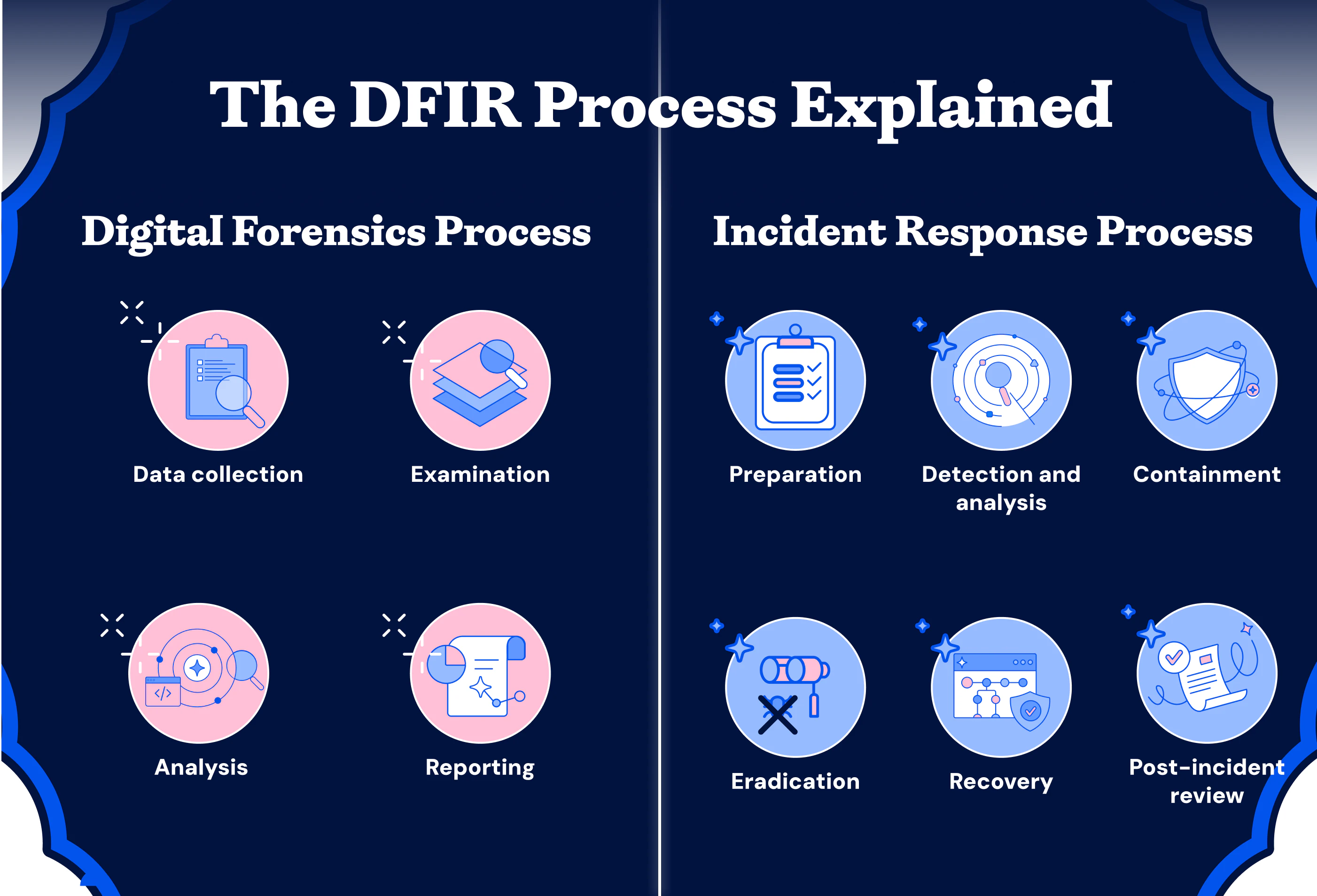
Questa sezione analizza il Passaggi completi coinvolti nell'analisi forense digitale e nella risposta agli incidenti, fornendoti le conoscenze per gestire metodicamente le violazioni della sicurezza.
Fasi del processo di digital forensics
1. Raccolta dei dati
Nella fase di raccolta dei dati del DFIR, i team esaminano varie fonti digitali. I registri di sistema possono tenere traccia delle attività dell'utente, degli errori del programma e dei movimenti all'interno del sistema. D'altra parte, il traffico di rete fornisce informazioni dettagliate sul flusso di dati, rivelando potenziali violazioni o modelli di comunicazione anomali. I dispositivi di archiviazione, come dischi rigidi e unità flash, sono tesori di prova, in quanto contengono file eliminati, partizioni nascoste e altro ancora.
Strumenti comuni come Wireshark (per l'acquisizione di pacchetti di rete) o FTK Imager (per la creazione di immagini forensi di supporti di archiviazione) sono inestimabili. Strumenti di analisi come Splunk e ELK Stack aiutano ad analizzare rapidamente enormi quantità di dati di registro.
2. Esame
In questa fase, gli esperti esaminano i dati raccolti alla ricerca di anomalie o attività sospette. Iniziano ad analizzare rigorosamente i registri eventi, i file del Registro di sistema, i dump della memoria e le informazioni sulle transazioni. Questi elementi di dati vengono analizzati per rilevare qualsiasi elemento insolito che potrebbe indicare una violazione. Ogni artefatto contiene indizi critici che, una volta messi insieme, rivelano la natura e la portata dell'incidente.
L'utilizzo di strumenti e tecniche sofisticate è essenziale per un esame pratico. Software come EnCase e FTK forniscono funzionalità per ingrandire i potenziali indicatori di compromissione. Le piattaforme di intelligence sulle minacce vengono utilizzate anche per incrociare i risultati con le minacce note.
3. Analisi
Durante la fase di analisi,'Esaminerà le prove digitali raccolte, che comportano l'esame dei registri degli eventi, dei file di registro, dei dump di memoria e di altri artefatti forensi. Identificare modelli e anomalie è fondamentale per individuare la sequenza temporale e i meccanismi dell'incidente. Ad esempio, collegare gli indirizzi IP ad accessi non autorizzati può rivelare chi potrebbe essere dietro la violazione.
Un'interpretazione efficiente di questi dati richiede approcci metodici. Utilizza strumenti automatizzati per l'analisi iniziale dei dati, ma assicurati che vengano esaminate manualmente in modo approfondito per verificarne l'accuratezza. Crea una storia coerente correlando i punti dati, ad esempio la corrispondenza dei timestamp tra vari log.
4. Cronaca
Quando si documentano i risultati della digital forensic, un approccio strutturato aiuta a garantire chiarezza e accuratezza. Inizia con un riassunto esecutivo che delinea i fatti chiave dell'indagine. Quindi, includi sezioni dettagliate che coprono i tuoi metodi, le prove che hai raccolto e la tua analisi. Fornisci una chiara cronologia degli eventi e usa grafici o diagrammi per spiegare le cose.
Nel tuo rapporto, includi una sezione per le conclusioni e le raccomandazioni. Questa parte dovrebbe spiegare cosa ha causato l'incidente, quanti danni ha causato e quali misure adottare per evitare che si ripeta. Usa un linguaggio chiaro e semplice ed evita il gergo tecnico quando puoi. L'obiettivo è quello di rendere il tuo rapporto facile da capire e di agire per tutti coloro che lo leggono, comprese le persone che lo sono'Esperti di tecnologia.
Passaggi del processo di risposta agli incidenti
1. Preparazione
Assegna ruoli e responsabilità chiari all'interno del vostro Team di risposta agli incidenti Per garantire che tutti conoscano i propri compiti durante un incidente di sicurezza.
Progetta policy dettagliate di risposta agli incidenti personalizzato in base alla tua struttura organizzativa e agli incidenti specifici che potresti dover affrontare. È necessario documentare queste policy, assicurarsi che siano accessibili e aggiornarle regolarmente per rimanere allineati con il panorama delle minacce in evoluzione.
Implementare sessioni di formazione regolarie le esercitazioni che imitano scenari del mondo reale. Usa questi esercizi per identificare le lacune nelle procedure e nella preparazione del team. Le revisioni post-incidente di queste sessioni possono offrire informazioni preziose per migliorare le capacità di gestione degli incidenti.
I professionisti DFIR utilizzano un'ampia gamma di tecnologie specializzate progettate per vari elementi della sicurezza informatica, come l'intelligence sulle minacce e le indagini forensi.
2. Rilevamento e analisi
Uno dei modi più efficaci per rilevare e analizzare gli indicatori di compromissione (IOC): Utilizza strumenti avanzati di rilevamento delle minacce. Questi strumenti monitorano il traffico di rete, i registri di sistema e le attività degli utenti per identificare modelli sospetti e anomalie. Utilizzare un Gestione delle informazioni e degli eventi di sicurezza (SIEM) per aggregare e analizzare dati in tempo reale provenienti da più fonti.
Altri passaggi:
Utilizza l'apprendimento automatico e l'analisi basata sull'intelligenza artificiale per migliorare la velocità e la precisione con cui rilevi le minacce.
Per ottenere informazioni dettagliate sulle violazioni, esamina i dati forensi come i registri eventi, i file di registro e i dump della memoria.
Rimani aggiornato sugli indicatori di minaccia più recenti utilizzando i feed di intelligence sulle minacce e regola i tuoi metodi di rilevamento in base a queste informazioni.
3. Arginamento
Utilizza strumenti di sicurezza nativi del cloud per isolare istanze o carichi di lavoro compromessi. Questa operazione può essere eseguita utilizzando i gruppi di sicurezza e i controlli di rete per separare le aree interessate dal resto della configurazione cloud. Assicurati di disattivare immediatamente:
Account compromessi
Chiavi API esposte
Punti di accesso configurati in modo errato
Infine, le impostazioni predefinite
Piuttosto che affidarsi esclusivamente al rilevamento degli endpoint, ottieni Rilevamento e risposta al cloud (CDR) Soluzioni che monitorano continuamente l'ambiente cloud alla ricerca di attività sospette. Questi strumenti rilevano le anomalie nei carichi di lavoro cloud, nelle applicazioni e nello storage, consentendo azioni di contenimento rapide, come l'isolamento dei carichi di lavoro compromessi o la sospensione temporanea dei servizi interessati.
Infine, le impostazioni predefinite Playbook di risposta agli incidenti dovrebbe guidare le fasi di contenimento, garantendo uno sforzo rapido e coordinato per mitigare il danno prima che si diffonda ulteriormente nell'infrastruttura cloud.
4. Estirpazione
Esso'è fondamentale rimuovere la causa principale del problema da tutti i sistemi interessati. Inizia isolando i sistemi infetti per impedire la diffusione della minaccia. Ciò ti consente di concentrarti sull'eliminazione della minaccia senza rischi aggiuntivi. Utilizza strumenti speciali per trovare ed eliminare minacce specifiche, che possono includere:
Applicazione degli aggiornamenti della sicurezza
Rimozione di software dannoso
Correzione delle vulnerabilità.
Assicurati che la minaccia sia completamente scomparsa prima di iniziare il ripristino. Esegui scansioni approfondite del sistema e utilizza strumenti che controllino l'integrità del sistema per confermare che non siano rimaste tracce della minaccia.
5. Guarigione
Una volta che tu'Identificare e affrontare la causa principale, concentrarsi sull'applicazione di patch alle vulnerabilità e sull'applicazione degli aggiornamenti necessari per eliminare le lacune di sicurezza.
Successivamente, esso'è il momento di implementare rigorose misure di sicurezza, tra cui:
Segmentazione della rete
Monitoraggio avanzato
Controlli ad accesso limitato
Software antivirus e protocolli di sicurezza regolarmente aggiornati.
Frequenti sessioni di formazione sulle più recenti informazioni sulla ricerca delle minacce
6. Revisione post-incidente
Crea un report con risultati dettagliati, un'analisi dell'incidente e una documentazione precisa di ciò che hai fatto bene e dove sono necessari miglioramenti.
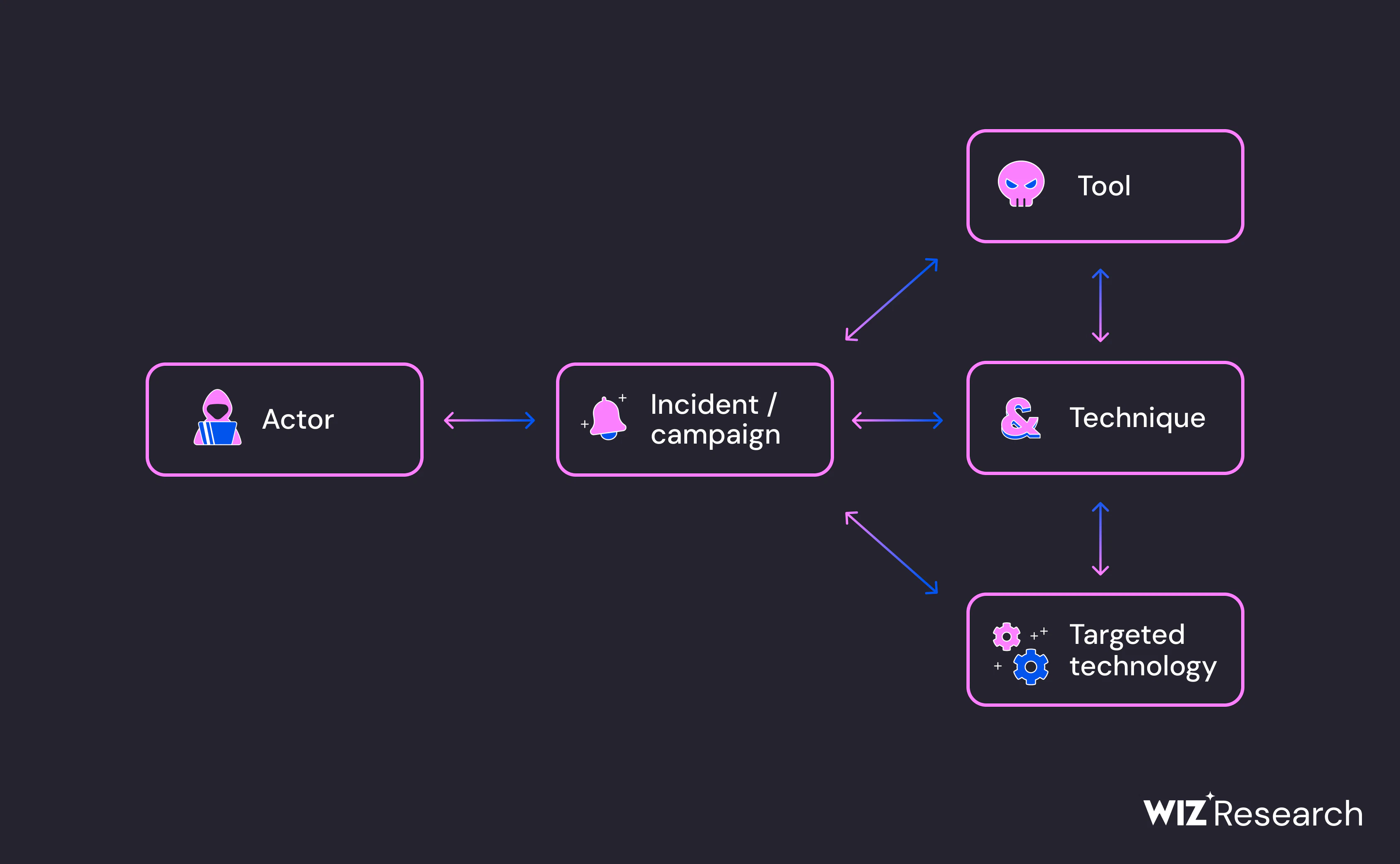
The Cloud Threat Landscape
A comprehensive threat intelligence database of cloud security incidents, actors, tools and techniques.
Explore
Vantaggi del DFIR
Prevenzione del ripetersi dei problemi: Il DFIR riduce le probabilità che si verifichino incidenti di sicurezza in futuro agendo come un ciclo di feedback informativo. Consente di migliorare in modo proattivo il comportamento di sicurezza identificando e risolvendo la causa principale di un problema.
Protezione delle prove durante la risoluzione delle minacce: Il DFIR garantisce l'integrità e la conservazione delle prove digitali, che è fondamentale per un'indagine dopo l'incidente e per il perseguimento dei criminali informatici.
Migliore assistenza durante il contenzioso: Il DFIR offre registrazioni approfondite degli eventi di sicurezza, supportando le aziende nei casi giudiziari e rispettando le normative.
Approccio avanzato al ripristino delle minacce: Riducendo i tempi di inattività, un DFIR efficace consente un rapido ripristino dagli incidenti di sicurezza, riducendo l'impatto aziendale.
Conformità e reportistica: Il DFIR aiuta le organizzazioni a soddisfare i requisiti normativi e a migliorare la trasparenza attraverso la segnalazione dettagliata degli incidenti, garantendo la conformità e fornendo un percorso chiaro e documentato che mostri un'indagine approfondita, una raccolta accurata di prove e una comunicazione efficace dei risultati e delle azioni intraprese.
Riduzione delle perdite finanziarie: Azioni DFIR rapide possono mitigare considerevolmente l'impatto economico delle violazioni della sicurezza contenendo rapidamente le minacce e minimizzando i potenziali danni, riducendo i costi associati alla perdita di dati, ai tempi di inattività e alle operazioni di ripristino.
Sfide affrontate durante il DFIR
I team DFIR devono affrontare diverse sfide quando rispondono agli incidenti informatici. Queste sfide richiedono un'azione rapida, strumenti specializzati e vigilanza costante per garantire un'efficace mitigazione delle minacce.
Volatilità dei dati: L'acquisizione di dati volatili durante un incidente è impegnativa perché le entità possono modificarli rapidamente o perderli, richiedendo un'azione immediata e precisa per evitare che le prove essenziali vengano modificate o scompaiano completamente.
Scala e complessità: Ambienti IT moderni' L'ampia portata e la complessità rendono il DFIR più impegnativo. Richiede strumenti e competenze specializzate per gestire in modo efficiente sistemi diversi, vasti volumi di dati e minacce informatiche dinamiche.
Sensibilità temporale: I tempi di risposta rapidi nel DFIR sono fondamentali per ridurre al minimo i danni, preservare le prove cruciali, garantire la continuità operativa, prevenire ulteriori compromessi e migliorare un'organizzazione'.
Minacce in evoluzione: Il panorama delle minacce in continua evoluzione richiede ai team DFIR di rimanere aggiornati sulle nuove tecniche di attacco e sulle vulnerabilità, assicurandosi di poter mitigare e rispondere efficacemente alle minacce informatiche emergenti.
Tipi di strumenti DFIR
L'efficacia del DFIR dipende in gran parte dagli strumenti utilizzati durante il processo di risposta agli incidenti. I professionisti DFIR si affidano a tecnologie specializzate per supportare vari elementi di sicurezza informatica come l'intelligence sulle minacce, le indagini forensi e il monitoraggio della sicurezza.
DFIR si applica al tuo ambiente cloud end-to-end. Sono necessarie più soluzioni, come CDR, KSPM, gestione delle vulnerabilità, CSPM e CIEM, per collegare tutti i punti che hanno causato un incidente.
Piattaforme di analisi forense: Questi strumenti consentono ai professionisti DFIR di estrarre, conservare e analizzare i dati forensi da varie fonti durante le indagini.
Soluzioni SIEM: le piattaforme SIEM (Security Information and Event Management) aggregano e correlano i dati degli eventi di sicurezza, offrendo monitoraggio e avvisi in tempo reale per aiutare le organizzazioni a rispondere rapidamente agli incidenti.
Strumenti di rilevamento e risposta al cloud (CDR): Soluzioni CDR migliorare le funzionalità DFIR basate sul cloud identificando e indagando sulle attività sospette all'interno degli ambienti cloud, riducendo i rischi per la sicurezza.
Strumenti di analisi del malware: questi strumenti aiutano a identificare, contenere e risolvere gli incidenti correlati al malware, garantendo un ripristino efficace degli incidenti.
Wiz'L'approccio di DFIR nel cloud
Wiz offre potenti funzionalità per supportare DFIR in ambienti cloud. La piattaforma'Gli strumenti di cloud forensics end-to-end, i sensori di runtime e le solide funzionalità CDR potenziano significativamente un'organizzazione'di rispondere in modo efficace agli incidenti di sicurezza del cloud. Lasciare'Diamo un'occhiata più da vicino:
Raccolta automatizzata delle prove
Wiz fornisce funzionalità forensi automatizzate che possono accelerare significativamente il processo di risposta agli incidenti. Quando viene rilevato un potenziale incidente di sicurezza, Wiz consente ai team di sicurezza di:
Copia i volumi dei carichi di lavoro potenzialmente compromessi in un account forense dedicato con un solo clic.
Scaricare un pacchetto di indagini forensi contenente importanti registri di sicurezza e artefatti dal computer interessato.
Wiz offre un'analisi automatizzata delle cause alla radice per aiutare gli addetti alla risposta agli incidenti a capire rapidamente come potrebbe essersi verificata una violazione:
Analisi delle cause principali
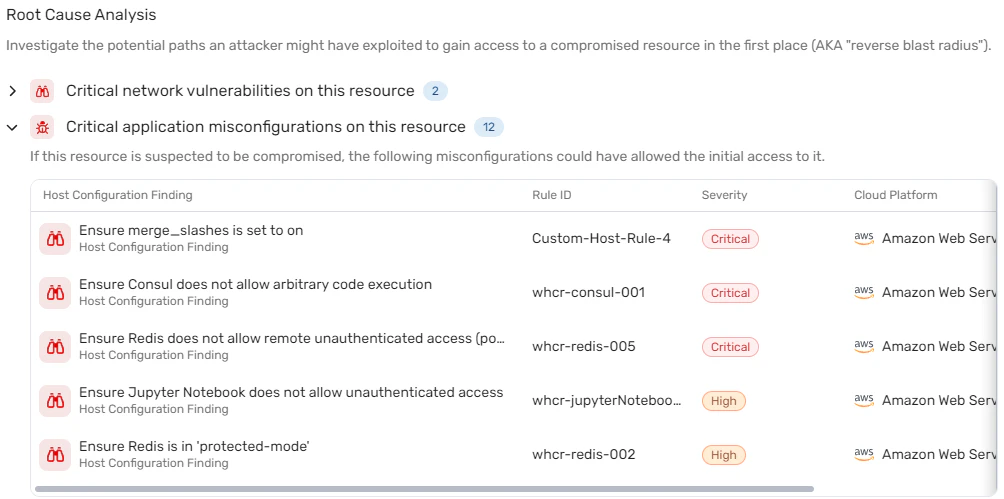
Wiz offre un'analisi automatizzata delle cause alla radice per aiutare gli addetti alla risposta agli incidenti a capire rapidamente come potrebbe essersi verificata una violazione:
È in grado di identificare vulnerabilità, configurazioni errate e altri problemi di sicurezza che potrebbero aver portato alla compromissione.
Il sistema fornisce un contesto sull'esposizione e sul rischio di vulnerabilità.
Valutazione del raggio di esplosione
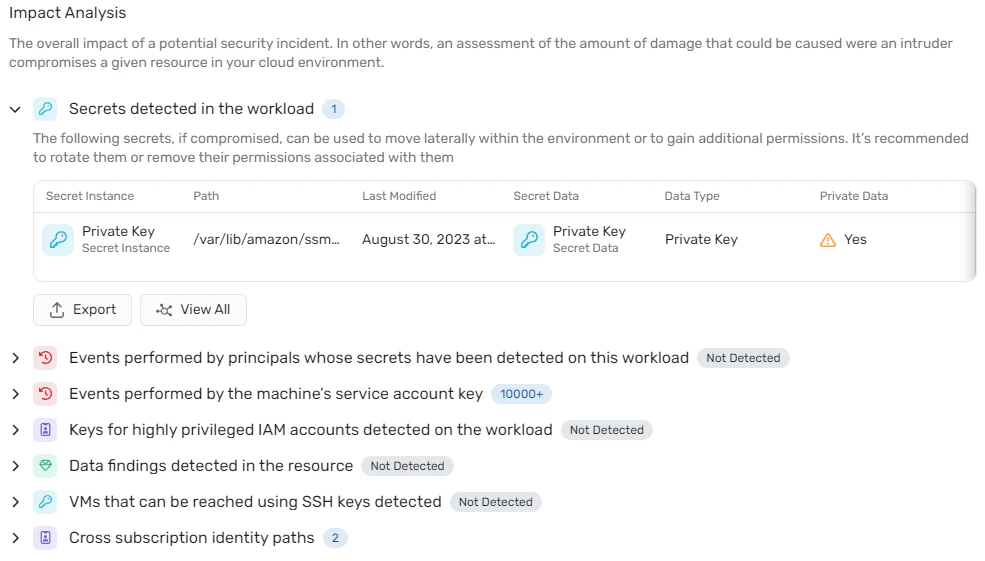
Wiz'La funzione Security Graph consente di determinare l'impatto potenziale di un incidente di sicurezza:
Mappa le relazioni e le dipendenze tra le risorse cloud, mostrando quali altri asset potrebbero essere a rischio.
È possibile generare un pacchetto forense di runtime, incluse informazioni sui processi in esecuzione, sui comandi eseguiti e sulle connessioni di rete.
Flusso di lavoro di risposta agli incidenti
Per le organizzazioni che utilizzano Wiz's Sensore di autonomia:
Fornisce un contesto aggiuntivo sulle attività sospette in fase di esecuzione, ad esempio gli eventi eseguiti da un computer's account di servizio.
Offerta di istruzioni per la correzione dei problemi identificati.
Flusso di lavoro di risposta agli incidenti
Wiz semplifica il processo di risposta agli incidenti:
Fornire una piattaforma unificata per la collaborazione dei team di sicurezza e di risposta agli incidenti.
Offerta di istruzioni per la correzione dei problemi identificati.
Integrazione con gli strumenti di sicurezza e i flussi di lavoro esistenti.
Automatizzando molti aspetti del processo DFIR e fornendo una visibilità completa negli ambienti cloud, Wiz aiuta i team di sicurezza a rispondere agli incidenti in modo più rapido ed efficace.
Cloud-Native Incident Response
Learn why security operations team rely on Wiz to help them proactively detect and respond to unfolding cloud threats.
